
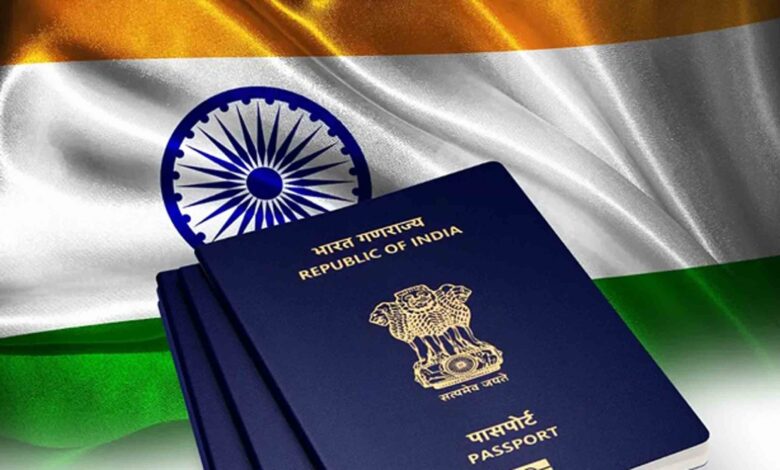
If you are planning to get a new passport or renew your old passport, you will have to pay more fees from July 1. The central government has amended the Passport Rules, 1980, which has increased the fees for both general and instant passport services. The new fee rates will be applicable across the country from July 1.
According to the new notification, the fee for a 36-page general passport has been increased from ₹1,500 to ₹2,500. In the same category, the price of the instant service will now be ₹5,000, which was earlier ₹3,500.
Similarly, the fee for a 60-page general passport has been increased from ₹2,000 to ₹3,500. The fee for a 60-page instant passport is now ₹6,000. Earlier, a fee of ₹4,000 was required for this category.
However, despite the fee hike, there has been no change in the passport validity. Passports issued to applicants aged 18 years and above will remain valid for 10 years as before. However, for children below 18 years, the validity period will remain for five years or till they attain the age of 18, whichever is earlier.
The government has also provided relief to certain categories of applicants. Children up to 8 years and senior citizens above 60 years will get a 10 per cent fee concession on new passport applications. However, this concession will be applicable only on new passport applications. This facility will not be available for re-issuance or renewal of passports.
The Ministry of External Affairs has appealed to citizens applying for passports after July 1 to be aware of the new fee rates before applying. Those who have not yet applied will have to pay the revised fee. In such a situation, if you are planning to get a passport soon, it would be better to prepare your budget keeping the new fee in mind.