A 1.6-Kilometer-Long Flyover Will Be Built At Tribune Chowk In Chandigarh.
Work Will Begin In April, Construction Progress Has Progressed.

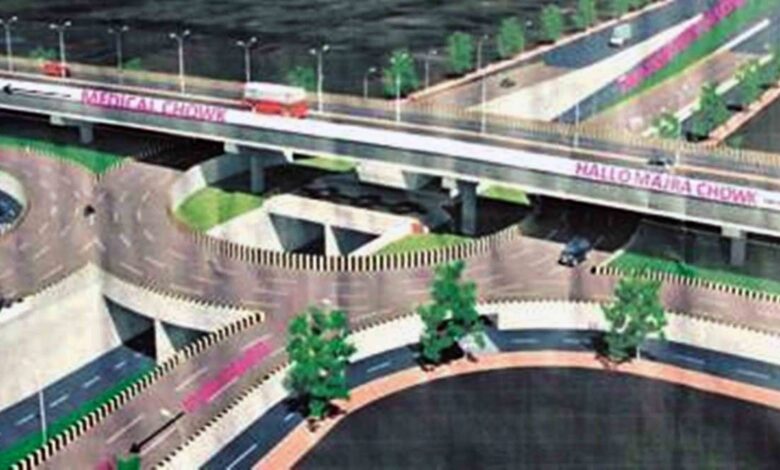
The construction process for the 1.6-kilometer-long flyover at Tribune Chowk has progressed. Construction will begin in April as the engineering wing has completed the tender application process. Bids from 12 companies have been submitted to the administration. After scrutiny, the tender will be awarded to one company by the end of this month.
According to the engineering wing, construction on this flyover will begin at the end of April. The cost will be ₹184 crore and the construction work will be completed in two years. Currently, Tribune Chowk experiences significant traffic congestion.
To alleviate the increasing traffic congestion at Tribune Chowk, a flyover proposal was passed in 2018-19, which was also approved by the Central Government. The project was pending due to the case going to court. The High Court approved the flyover last year.
Construction of the underpass from Punjab University to PGI will also begin this year. According to a senior official from the Engineering Department, a high-level joint technical committee is examining the companies’ applications.
This Is How The Flyover Will Be Constructed.
The proposed 1.6-kilometer-long flyover will begin near the GMCH roundabout in Sector 32, extend to the railway overbridge on Dakshin Marg, and pass over Tribune Chowk. Initially, the administration planned a 7-kilometer-long flyover, which was later reduced to 3.5 kilometers and finally to 1.6 kilometers.
1.43 Lakh Vehicles Pass Daily
Five to six lakh vehicles enter Chandigarh from other states every day. Including vehicles from outside states and the Tricity, approximately 1.43 lakh vehicles pass through Tribune Chowk daily. Due to heavy traffic jams, drivers coming to Chandigarh from Delhi and Derabassi sometimes face delays of up to 90 minutes. While lifting the stay, the High Court remarked that in such circumstances, it is important to facilitate traffic flow rather than halt development work. The court also stated that the stay has set Chandigarh back almost a decade.